
Localizing paint production in much of Africa is expanding rapidly, driven by national import substitution policies and the high freight costs of importing water-heavy liquid coatings. However, successfully executing a paint factory setup guide involves complex decisions distinct from importing finished paint. For African manufacturers, mastering technical priorities—from pilot batching paint formulation and establishing proper paint quality control benchmarks to managing a stable paint raw material supply chain—is critical for ensuring long-term profitability.
Localizing Paint Production in Africa: Why Early Decisions Matter
As construction activities surge across Africa, local paint manufacturing is expanding rapidly—driven by national import substitution policies and the high freight costs of importing water-heavy liquid coatings.
However, transitioning from importing finished products to setting up a local paint production line requires a fundamental shift in operational strategy.
Making the right early technical choices—from pilot testing to raw material sourcing—defines long-term profitability.
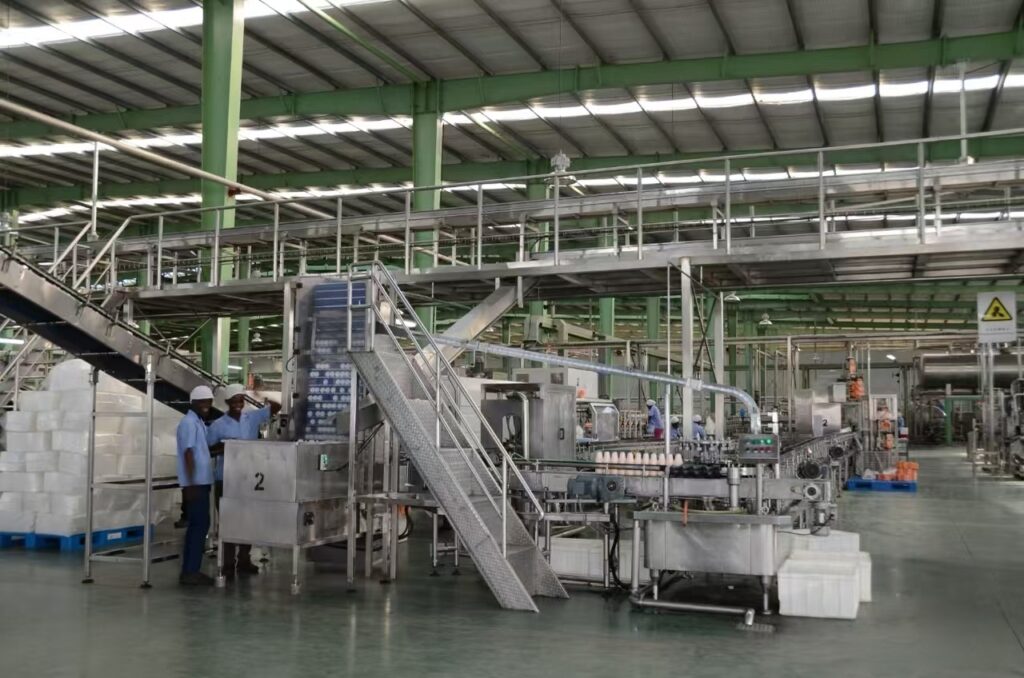
Step 1: Start With Pilot Batching, Not Full-Scale Production
The single most expensive shortcut in paint factory setup is running a full-scale 1,000-liter batch before validating the formulation on a small scale.
A pilot batching process (typically 5–20 liters) serves as a critical safety net to address real-world variable factors:
- Shear & Dispersion: Validates whether pigments and extenders disperse properly using on-site high-speed dispersers rather than lab equipment.
- Ambient Climate Conditions: Checks if viscosity and curing behave as expected under local temperature and humidity.
- Color & Storage Stability : Verifies color match during let-down and ensures in-can stability over prolonged storage cycles.
Core Equipment Selection and Factory Layout
Matching machinery capacity to realistic order volumes prevents capital from being tied up unnecessarily. Standard manufacturing lines require:
- High-Speed Dispersers: Essential for wetting and pre-dispersing fillers and resins.
- Bead / Sand Mills: Crucial for fine dispersion when target particle size needs to be reduced.
- Let-Down Tanks: Agitated tanks for blending the millbase with remaining additives, binders, and solvents.
- Filling & Packaging Units: Sized appropriately to match production velocity without over-investing early.
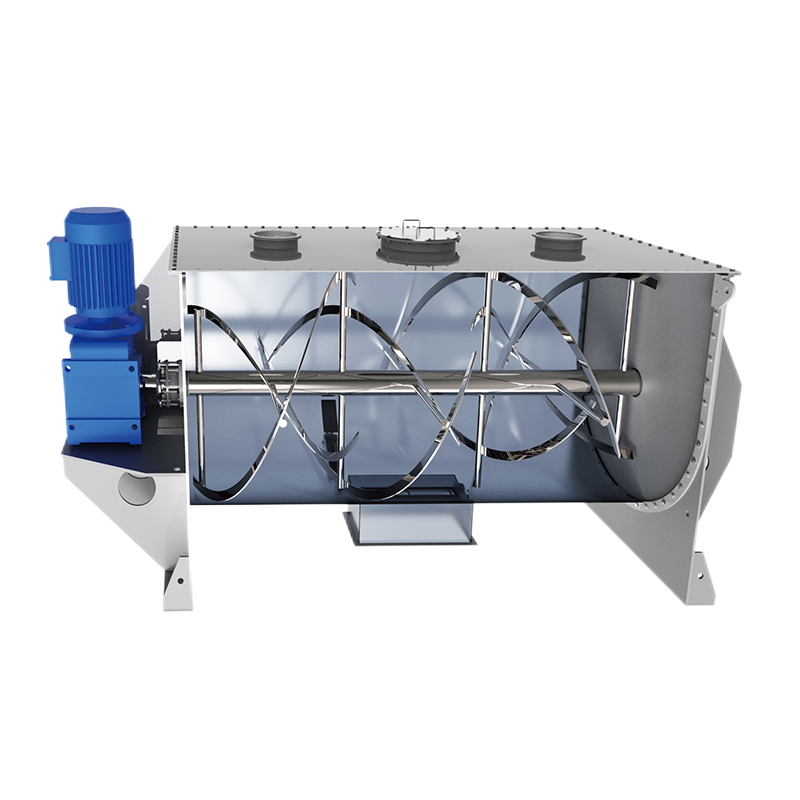
Essential Quality Control (QC) Benchmarks from Day One
Reliable paint quality control benchmarks do not require a lavish laboratory, but rather disciplined testing on every batch:
- Fineness of Grind : Measured using a Hegman gauge (ASTM D1210) to detect mill wear or raw material inconsistencies early.
- Viscosity: Checked with a Krebs (KU) viscometer immediately after production and after overnight stabilization.
- Density / Specific Gravity : A rapid check to flag raw material dosage errors.
- Drawdown & Drying Time: Evaluates film hiding power, dry time, and mechanical hardness under standardized lighting.
Common Pitfalls and Strategic Supply Chain Solutions
Emerging manufacturers often underestimate raw material lead times and lot-to-lot variability. Fluctuations in extender moisture, resin viscosity, or pigment strength can severely disrupt production if working capital is not managed carefully.
How BOXIN Supports African Paint Manufacturers:
Turnkey Raw Material Supply: BOXIN provides full-set, container-level shipments of core raw materials—including resins, Titanium Dioxide (TiO2), barium sulfate, and specialty additives—reducing stockout risks.
Validated Contract Formulations: Instead of costly in-house trial-and-error, BOXIN offers field-tested formulations engineered to withstand tropical climate conditions, accompanied by step-by-step pilot batching guidance.
FAQ: Factory Operations in Developing Markets
Partnering with a consolidated supplier like BOXIN allows regional manufacturers to order full-container loads of mixed core raw materials, securing tiered pricing and buffering against import shipping delays.
Not necessarily. Leveraging validated, contract-formulated technical packages allows factories to start production faster with lower capital expenditure, building internal R&D capacity gradually as sales volume scales up.