
Understanding Epoxy Colored Sand Systems: How Binder Selection Dictates Performance
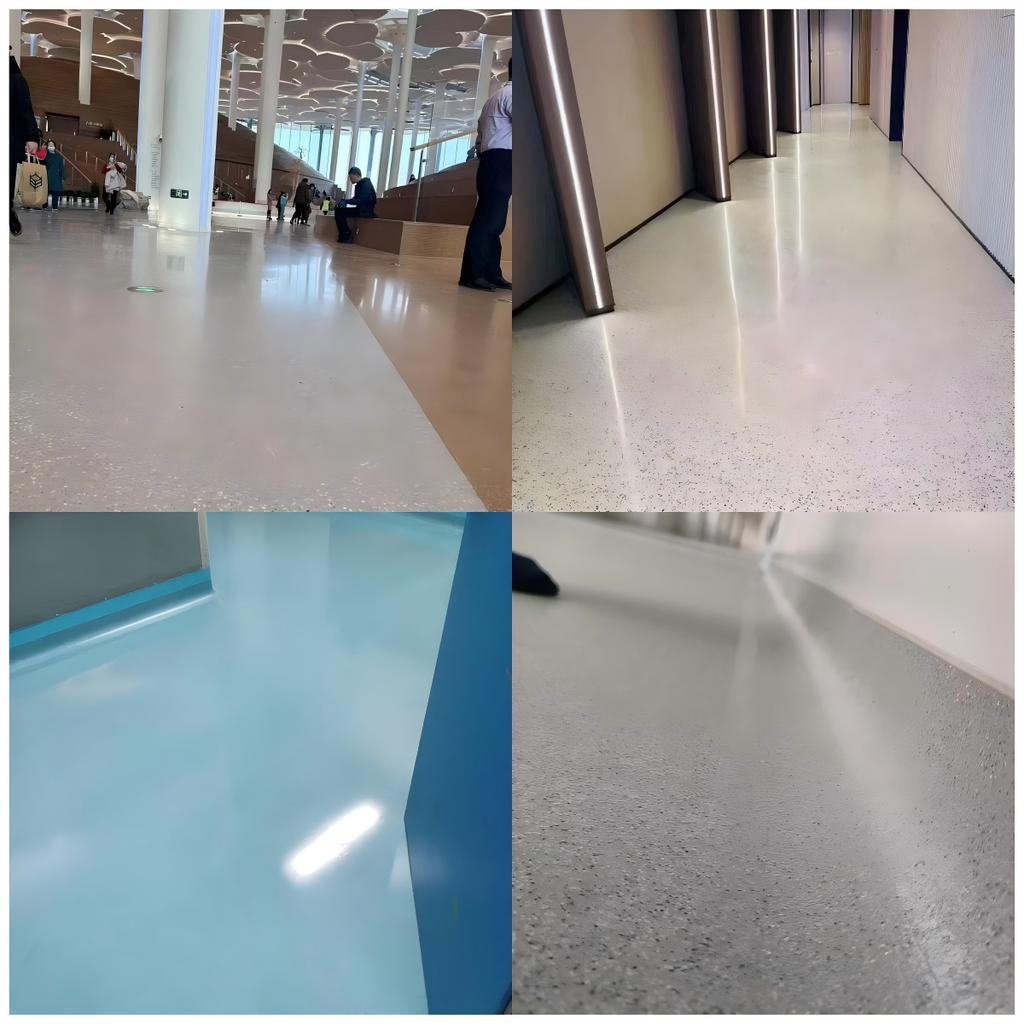
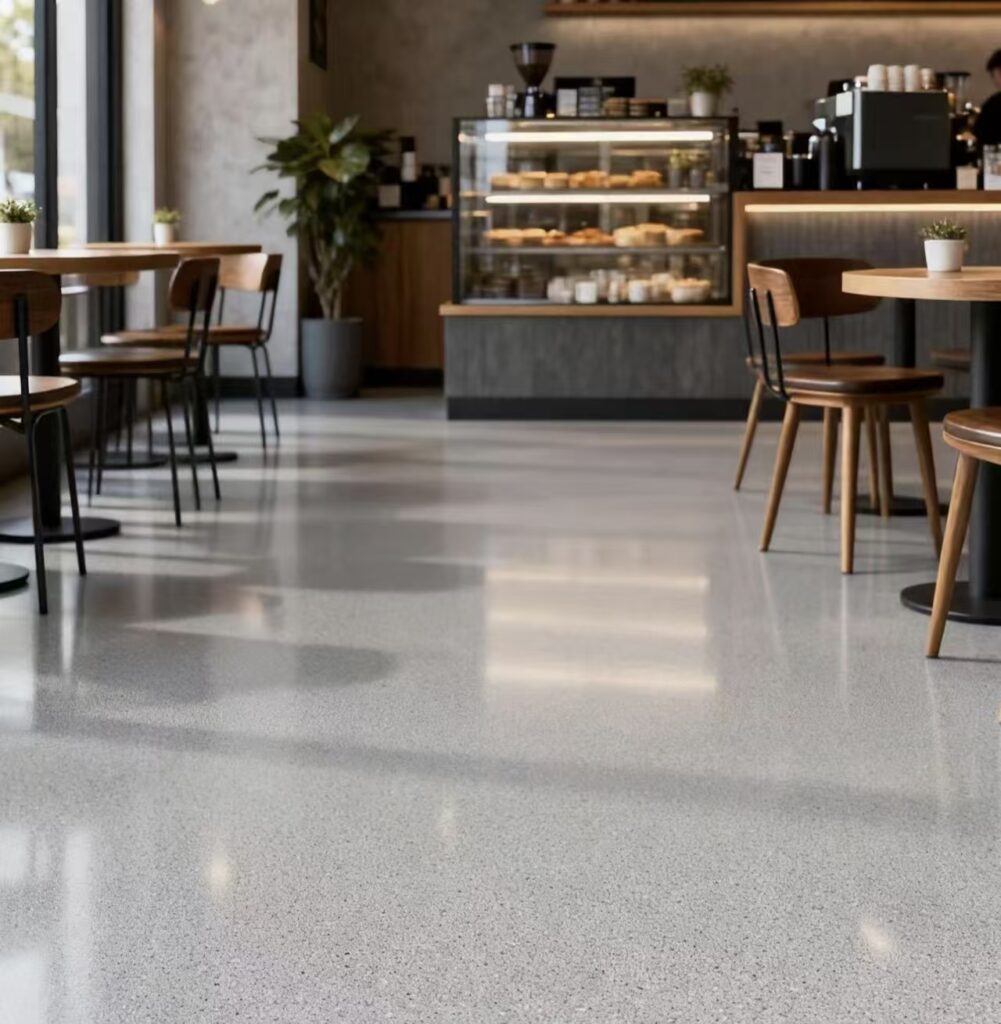
Epoxy colored sand (or colored quartz) systems are widely specified for decorative, slip-resistant, and high-impact industrial flooring.
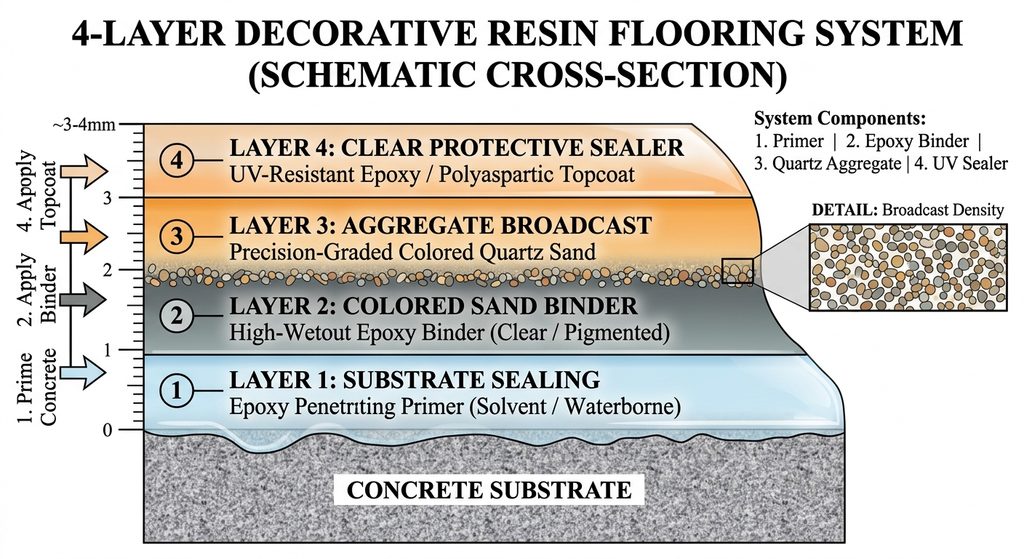
The multi-layer build-up consists of a penetrating primer, a wet epoxy binder coat into which colored quartz is broadcast, and a clear protective topcoat.
While the quartz aggregate provides wear resistance and aesthetics, the chemical binder—whether solvent-based or waterborne—determines the floor’s long-term mechanical durability, chemical resistance, and ease of application.
Solvent-Based Epoxy Colored Sand: Technical Advantages and Site Suitability
| Technical Property | Solvent-Based System | Waterborne System |
| Aggregate Wet-Out Efficiency | Exceptional (High) | Moderate |
| Humidity Tolerance During Cure | High (Less Sensitive) | Low (Needs Flow) |
| Film Build per Coat | Higher Thick Film | Thin to Medium |
| VOC Content & Application Odor | Higher (Requires Vent) | Extremely Low/Zero |
Solvent-based binders rely on organic solvents as carriers, delivering key physical performance benefits:
- Superior Aggregate Wet-Out: Solvents lower surface tension, allowing the resin to wet the surface of colored quartz more thoroughly, creating a stronger mechanical key before sealing.
- Cure Reliability in High Humidity: Unlike waterborne epoxies that rely on ambient water evaporation, solvent-based systems cure consistently even under humid or poorly ventilated conditions.
- Thicker Film Build per Coat: Enables faster buildup to target floor thickness, reducing labor time and recoat intervals.
When to Specify Waterborne Epoxy Colored Sand Binders
Modern waterborne epoxy colored sand binders have narrowed the performance gap significantly, making them the ideal choice for eco-sensitive or operational environments:
- Occupied Facilities & Food Processing : Near-zero VOCs and low odor allow installation without interrupting nearby operations or contaminating sensitive products.
- Controlled Application Environments : Performs exceptionally well in facilities with active HVAC airflow, moderate humidity (<65% RH), and stable room temperatures.
Why Regional Climate (e.g., Africa) Favors Solvent-Based Systems
Across coastal and tropical industrial zones in Africa, real-world job site variables frequently favor solvent-based epoxy colored sand systems:
- High Ambient Humidity: Rapid coastal humidity prevents proper water evaporation in waterborne systems, risking soft or milky film defects.
- Inconsistent Industrial Ventilation: Unfinished or warehouse-style sites rarely offer controlled airflow, making solvent-based cure mechanisms far more predictable.
- Heavy Chemical & Traffic Demands: Thicker film build and superior quartz keying deliver higher mechanical wear resistance under heavy forklift traffic.
BOXIN’s One-Stop Solution for Epoxy Flooring Systems
A-to-Z one-stop service for raw material and technology supply!
FAQ: Project Specification & Troubleshooting
Ensure the epoxy binder coat is applied at a uniform wet film thickness and use surface-treated, non-bled colored quartz. High wet-out solvent-based binders help aggregate settle evenly.
Yes, but it requires a dedicated solvent-borne epoxy penetrating primer first to seal concrete pores, prevent air bubbling, and establish a high-strength foundation.