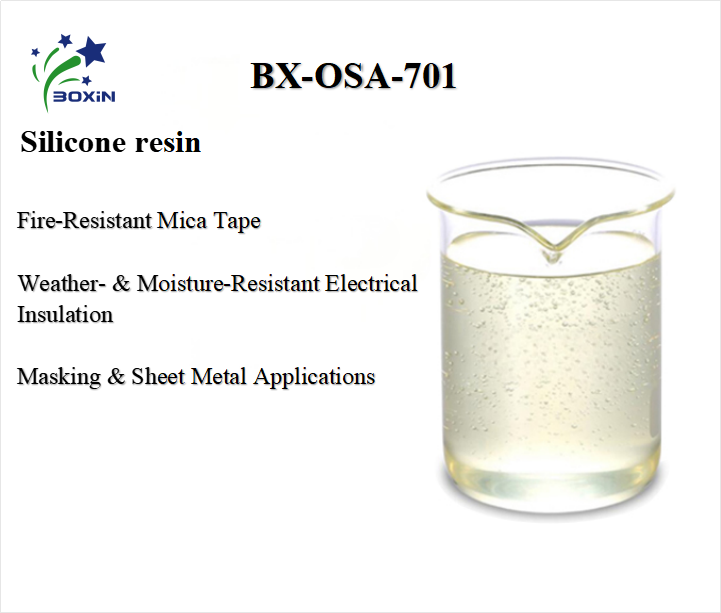
1.What is refractory mica tape?
Fire-resistant mica tape is a high-temperature insulation material commonly used in fire-resistant cables. It is mainly made by using high-quality phlogopite paper or synthetic mica paper as the base material, reinforced with fiberglass cloth or polyester film, and bonded with silicone resin.
- Mica paper provides the real fire resistance and insulation.
- Fiberglass cloth works as a reinforcement, giving the tape enough mechanical strength.
- Adhesive bonds mica paper and fiberglass cloth together as one layer.
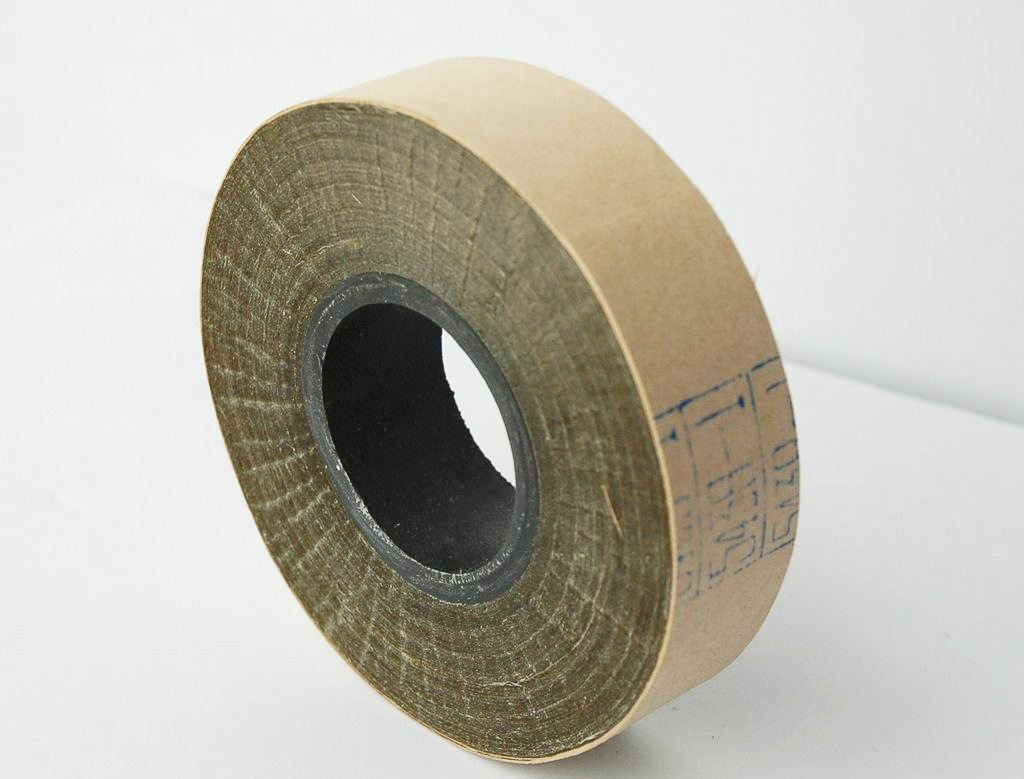
2.What is silicone adhesive?
Silicone adhesive is a special type of adhesive based on linear or branched organosilicon polymers. It combines excellent heat resistance and electrical insulation with flexibility and aging resistance, making it widely used in electrical insulation, fire-resistant materials, and high-temperature bonding applications.
When choosing the adhesive, three points are critical:
- High bonding strength between mica paper and fiberglass cloth.
- Flexibility and edge bending of the tape, with a high inorganic content (high Si/R ratio).
- Low carbon residue after burning — the adhesive should not carbonize.
“No carbonization” is essential because it directly affects the insulation resistance after fire. Silicone adhesive is ideal for mica tape, as it turns into white SiO₂ powder after burning. SiO₂ has excellent electrical insulation, making silicone adhesive the best choice for fire-resistant mica tape.
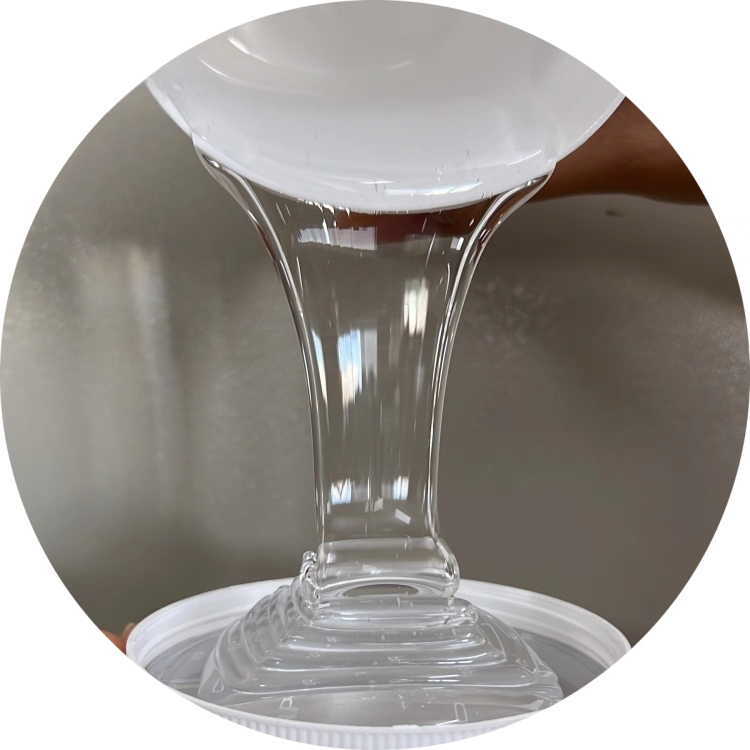
3.The role of silicone adhesive in mica tape
Bonding Function
Silicone adhesive ensures a strong bond between mica paper and the reinforcing material, thereby forming a compact and stable tape structure.
High-Temperature Protection
When exposed to flame or elevated temperatures, silicone adhesive maintains the integrity of the mica tape and guarantees its electrical insulation performance.
Processing Performance
Silicone adhesive provides the tape with sufficient flexibility and edge bendability, which facilitates wrapping during cable manufacturing. After heat treatment, it cures to improve the overall fire resistance of the tape.
4.Boxin’s BX-0AS-701 silicone adhesive
Characteristics of Adhesives Based on Polysiloxane Gum and Silicone Resin
1. High-Temperature Resistance
Silicone resin exhibits excellent thermal stability, allowing continuous operation at 200–300 °C and, in certain systems, up to 350–400 °C.
When combined with polysiloxane gum, the adhesive retains this high thermal resistance while avoiding the brittleness often observed in resin alone.
2. Flexibility and Mechanical Properties
Polysiloxane gum imparts flexibility and elongation to the adhesive, ensuring that mica tape does not fracture during wrapping or processing.
The resin component contributes bonding strength and provides rigidity after curing.
3. Electrical Insulation Stability
Upon combustion, the silicone system generates SiO₂ powder, which possesses excellent dielectric properties.
The adhesive maintains stable electrical performance even under conditions of high temperature, humidity, or electrical arcing.
4. Low Carbon Residue and Environmental Performance
The adhesive does not carbonize upon burning; the residue is inorganic powder, ensuring that fire-resistant cables retain insulation resistance after fire exposure.
Formulations can be designed with low-solvent or solvent-free systems, in line with environmental requirements.